Dema
Careers/Jessika Ödling
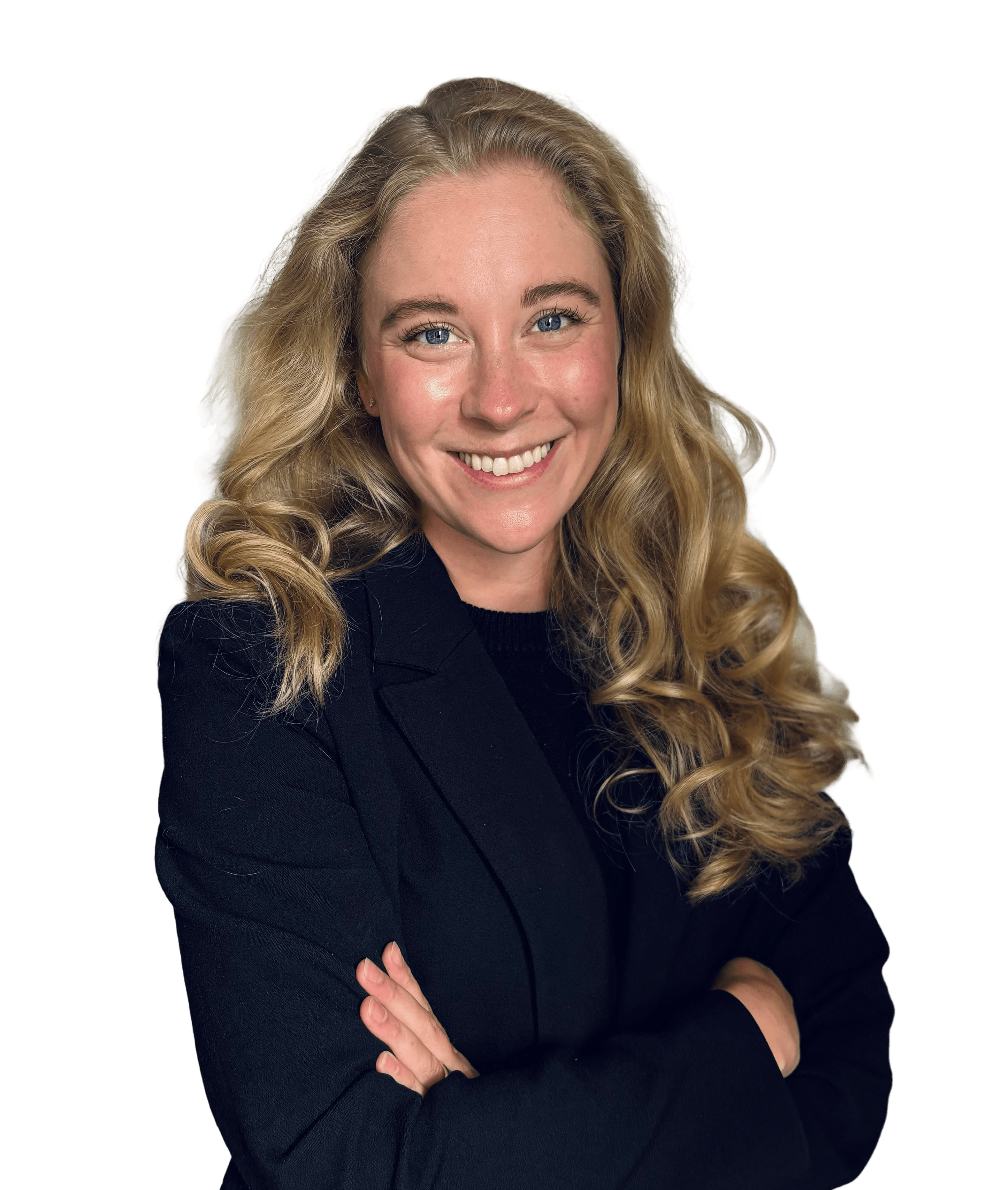
Jessika Ödling

Jessika Ödling

Measurement lead

Education

Master of Science in Engineering Physics, KTH Royal Institute of Technology

Previous role

Technical Lead at Nepa

From

Stockholm, Sweden

Started at Dema

2024

The true test is whether the client still needs me on a call.

Your role sits between the technical and commercial sides of Dema. What does that actually look like day to day?

It's less a bridge between two sides and more a junction in a busy ecosystem. There's the ML engineers building the models, sales, our clients, and increasingly the ad platforms themselves. Meta, Snap, TikTok, and Pinterest are all in the conversation with us now, largely because enough brands bring our numbers into the room when they're deciding where to spend.

All of those parts move at their own speed and none of them stand still. A morning might go on the design of a geo test with engineering, and the afternoon on a client call deciding where the next chunk of budget goes. My job is mostly keeping those pieces pointing the same way, because measurement only scales when they do.

The pace caught me off guard, though. Short cycles with tech I expected. I didn't expect clients to move just as fast, with a result in their budget the same week we hand it over.


Can you walk through a time when tech and commercial worked closely together and it changed the outcome for a client?

A client didn't believe our MMM. It was telling them one channel was unprofitable and they were convinced that was wrong. The number on its own didn't explain much either, so rather than defend the model I sat down with our engineers and went into the underlying data to work out what was actually going on.

What came out of it was a new attribution model that looks at products rather than channels. It traces a sale back to the first product someone interacted with, not the one they eventually bought, which turns out to matter more than you'd think. For this client, around 90% of their spend on that channel was going into product ads, and most of it was driving sales that lost them money. Once they could see it at product level they had something to act on instead of a verdict to argue with.

They trusted the model again after that, and we rolled the same metrics out to every client not long after. That's the usual pattern here: one customer pushes back hard enough that we go and build something new, and it ends up in the product for everyone.

How would you describe the culture at Dema? What stands out for you?

Everyone here is hired for something specific they're already very good at. That's the bar. What nobody tells you is how quickly the job stops being only that thing.

The part that makes it work is that people are generous with what they know without being protective of it. I've had engineers walk me through specifics with far more patience than they owe me, and they'll take feedback from the commercial side seriously rather than treating it as noise. That openness runs both ways, and it's the reason things move at all.

I've been here two years and the role has kept shifting the whole time. I still own measurement, but I've picked up work across partnerships, product, and sales, work I had limited background in when I arrived. Nobody handed me a development plan. You get put next to interesting problems and good people, and how far you take it is yours.

How do you make sure the work creates real value for a client, not just numbers that look good on paper?

The true test is whether the client still needs me on a call.

Anyone can make a number land in a meeting where they're standing next to it explaining what it means. That's presentation, not value. If someone can only act on something while I'm talking them through it, we've built the wrong thing. So the aim with almost everything is to get it out of my hands and into the product, where it holds up whether or not I'm in the room.

That's what the constant back and forth with tech is for. When the same question comes up in enough client calls it stops being a client question and becomes a product one, and then we build it properly. The good version of my job is that six months later nobody asks me about it, because they just have it.

Outside of work, what's something you love doing?

Tennis. Thankfully, my backhand is a long-running project with no obvious end date. That's most of the appeal. It stays playful, and on a good day I don't even mind losing.

Also on the team

Want to build with people like this?