
 Bid up
Heavyweight Hoodie, Grey
€95
- CM3/order
- €24.10
- Stock
- 9 wk
- Returns
- 6%
Dema checks every product in your Shopping and Performance Max feed for profit after ad spend, stock left and returns. Bid up on the ones that earn, and pull the rest before they waste budget.
Bid upHeavyweight Hoodie, Grey
€95
 Stop · loses money
Wireless Headphones, White
€179
 Pause · sells out in 8 days
Leather Sneakers, White
€129
 Bid up
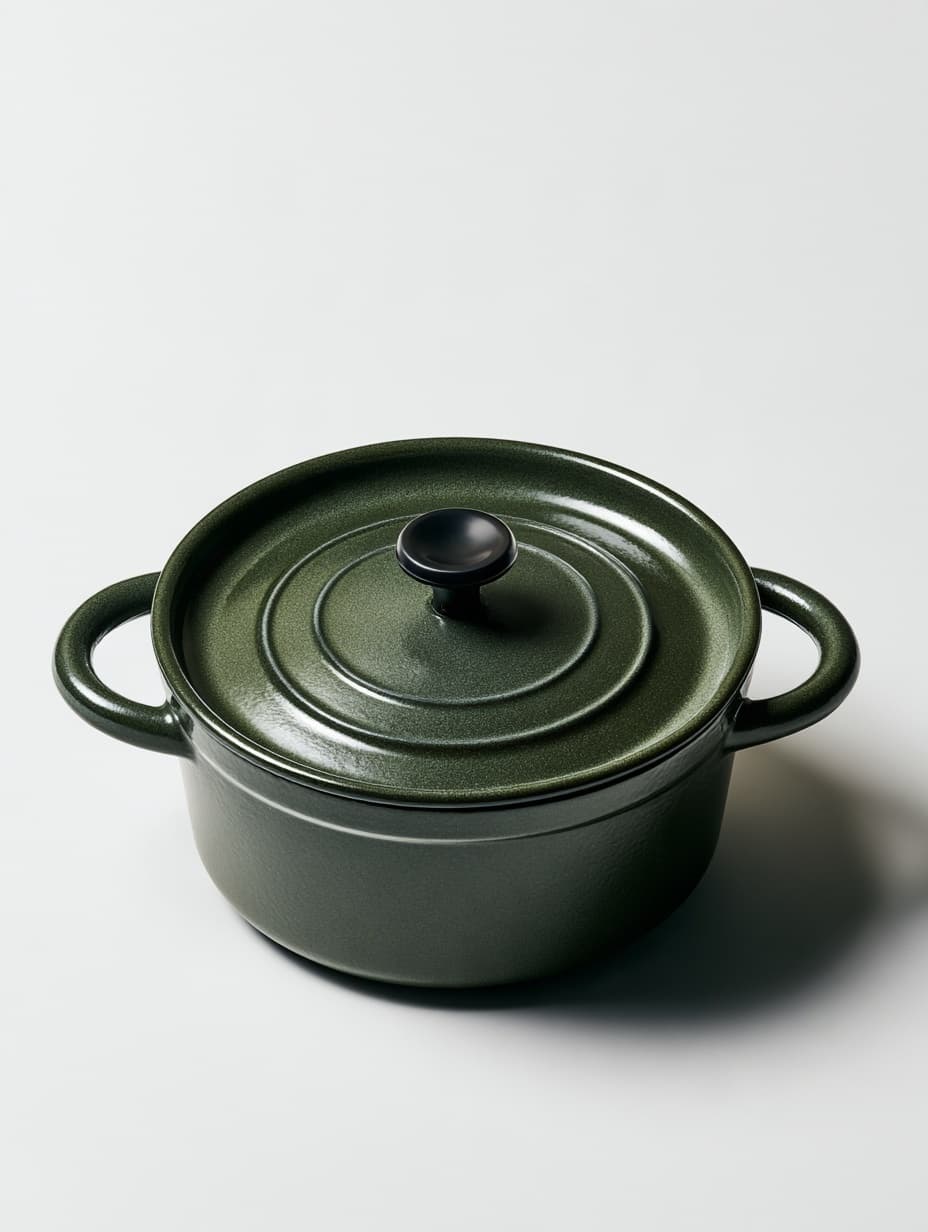
Cast Iron Casserole, 24 cm
€119
 Lower bid · 38% returned
Oxford Shirt, Light Blue
€89
 Pause · only XS left
Puffer Jacket, Black
€249
Used by the teams at








“We finally have full visibility into what drives both growth and profitability, down to the product level. It's helped us make faster, smarter decisions across marketing, merchandising, and planning.”
Jeanette Dyhre Kvisvik
CEO, Villoid
Choose the CM3 threshold, stock rule and markets. Review the decisions and send approved changes to Merchant Center, all by asking.

0 items selected for Google Merchant Center.
All your commerce data, connected and ready for AI. Dema joins the records, defines your metrics and keeps your apps and agents current.
Ad spend per product, joined to product costs, returns, fulfilment and stock. CM3 per product, not ROAS per campaign.
Have an agent exclude products that lose money or are about to sell out, and bring them back when they earn again. Every change waits for your approval.

| Product | CM3 per order | Decision |
|---|---|---|
| Field overshirt | −€10.40 | Exclude |
| Puffer jacket | −€3.90 | Exclude |
| Rib beanie | −€1.20 | Exclude |
| Boxy tee | €11.70 | Keep |
Negative CM3 after ad spend for 14 days. The boxy tee stays in: it earns €11.70 per order.
ROAS counts revenue. CM3 counts what is left after product costs, fulfilment, returns and the ad spend itself. Use it to decide which products deserve a bid.
After costs. After advertising.
Connect your data, describe the work and put a reviewed workflow in your team’s hands.
Connect ad spend, product costs, returns and stock.
Describe your bid rules, CM3 thresholds and stock limits.
Review the decisions, then send approved changes to your feed.
Yes. These are examples of what you can create. Describe your own app or recurring job in chat, using your connected data and available tools. Review the result and refine it in the same conversation.
Start by describing the job as you would to a colleague. Ask for the views, metrics and rules you need, review the result, and ask for changes. Your team can create and adjust apps and agents in plain language.
Dema joins ad spend per product to product costs, fulfilment, payment fees and returns. CM3 is what is left after all of that, including the ad spend behind the product. Your finance team sets the definitions once, and the app and agents reuse them.
Yes. Exclusions are prepared as product-level changes in Google Ads, and custom labels can be sent to Google Merchant Center so your Shopping and Performance Max campaigns bid by margin tier and stock. Changes wait for approval unless you choose otherwise.
You set the rules: how many days of negative CM3, minimum spend, products with open tests and protected styles. Products with missing costs or a stale stock feed are flagged instead of excluded.
Yes. Each exclusion carries a restore rule, for example when CM3 after ad spend turns positive or when new stock arrives, so the feed recovers without anyone remembering to undo it.
Product feed management covers how Dema labels and syncs your feeds. This use case is the decision on top: which products to stop, limit or scale based on CM3, stock and sell-through, and the approval flow around it.
See CM3 after ad spend and stock cover for the products you advertise, and how a bid control app and agent would work on your data.


